June 18, 2026


Morristown couple raises giant sunflower plants
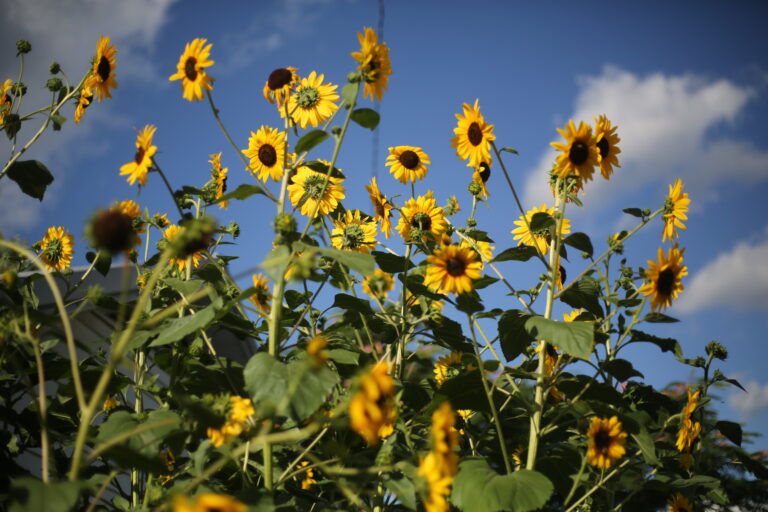
F lowers Morristown couple raises giant sunflower plants
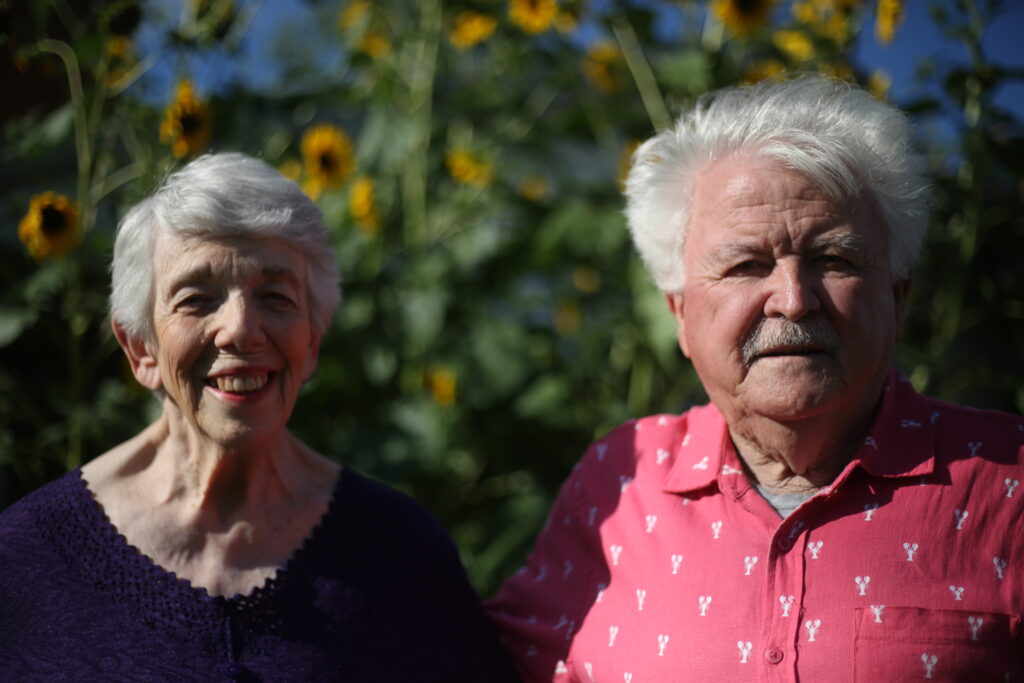
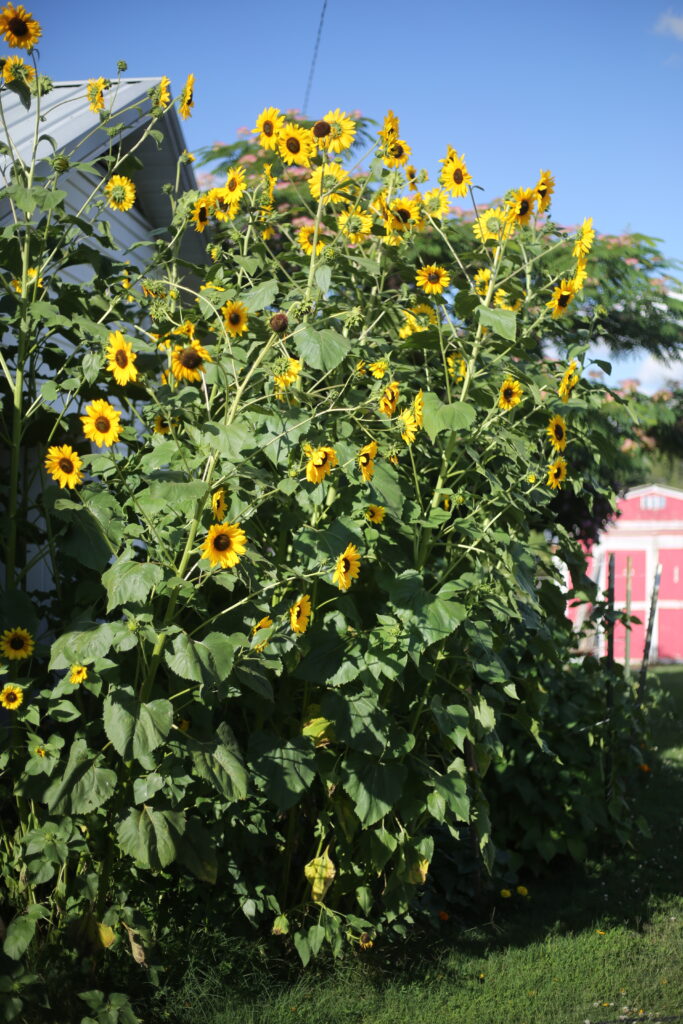
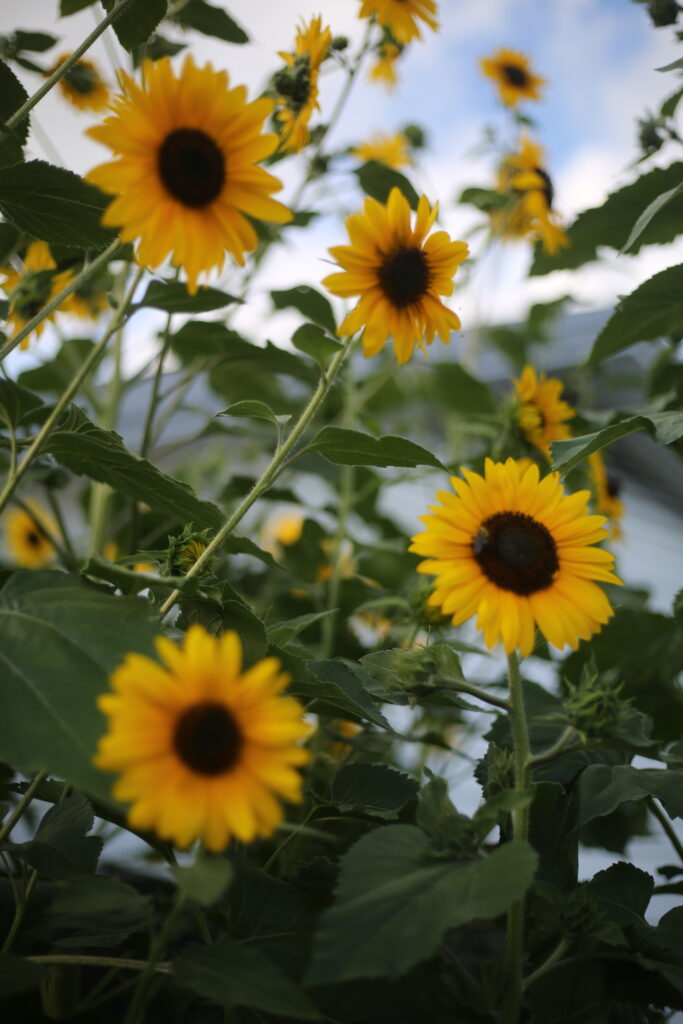
For Earl and Glenna Bowlin, there are sunflowers in the Oaks.
The residents of Oak Hills in Morristown are well known to the community as planters of flowers and three gardens, but the Bowlins are also known for their sunflowers.
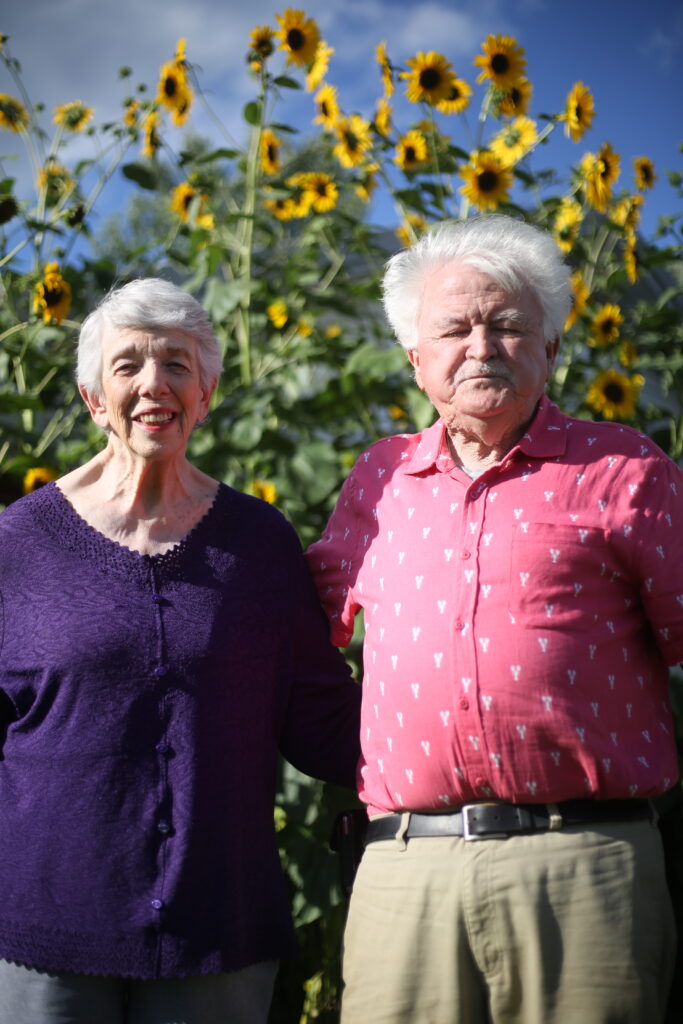
Glenna said that sunflowers first came up at their home three years ago at the corner of their carport facing the street.
“That one came up on its own and had 75 blooms,” she said. “They bloomed from the bottom up. It was beautiful. It just tickled me to death. I believe that a bird blessed us.”
Glenna saved many of the seeds from that first sunflower and planted them for another harvest. “I had half a gallon of seeds,” she said. “I gave (many of them) to different people.” After planting those seeds for last year, there were no plants, but the plants at the end of their carport came back with a vengeance this year.
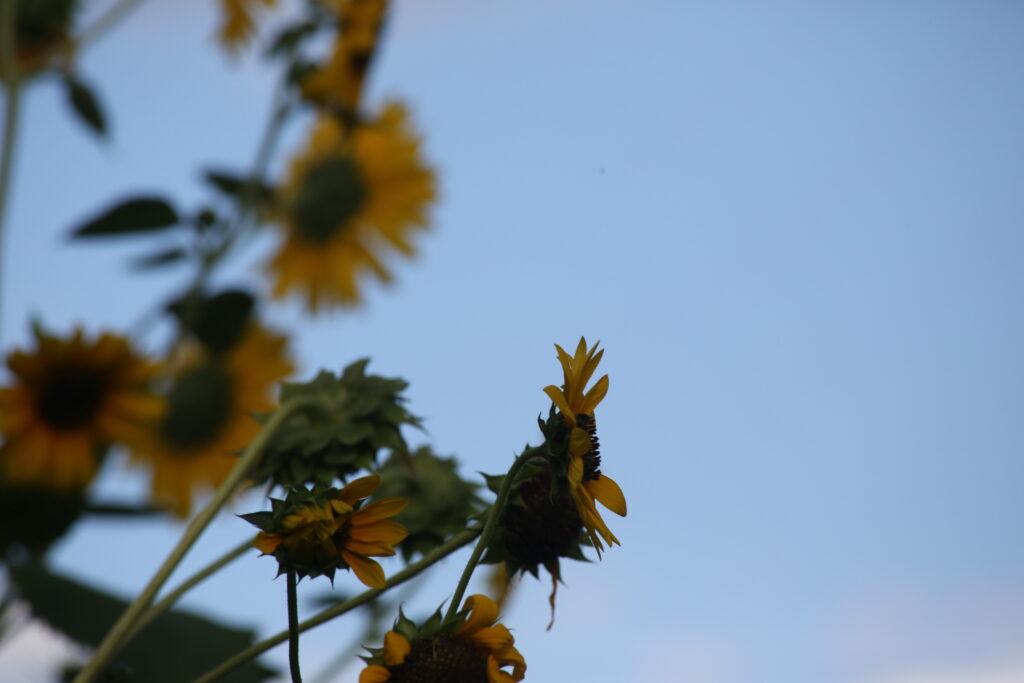
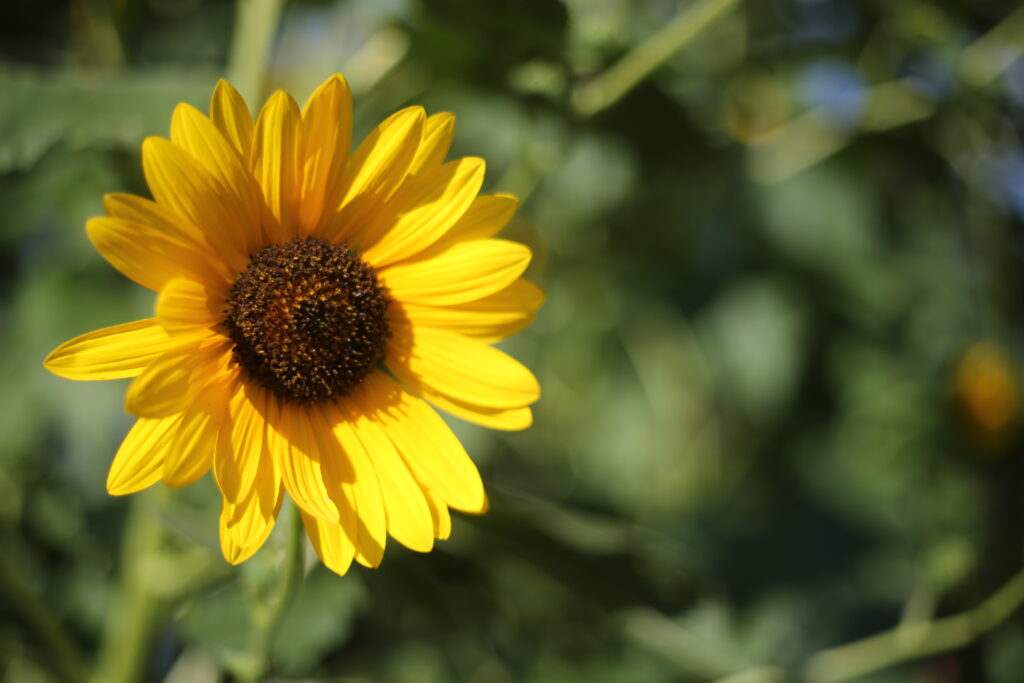
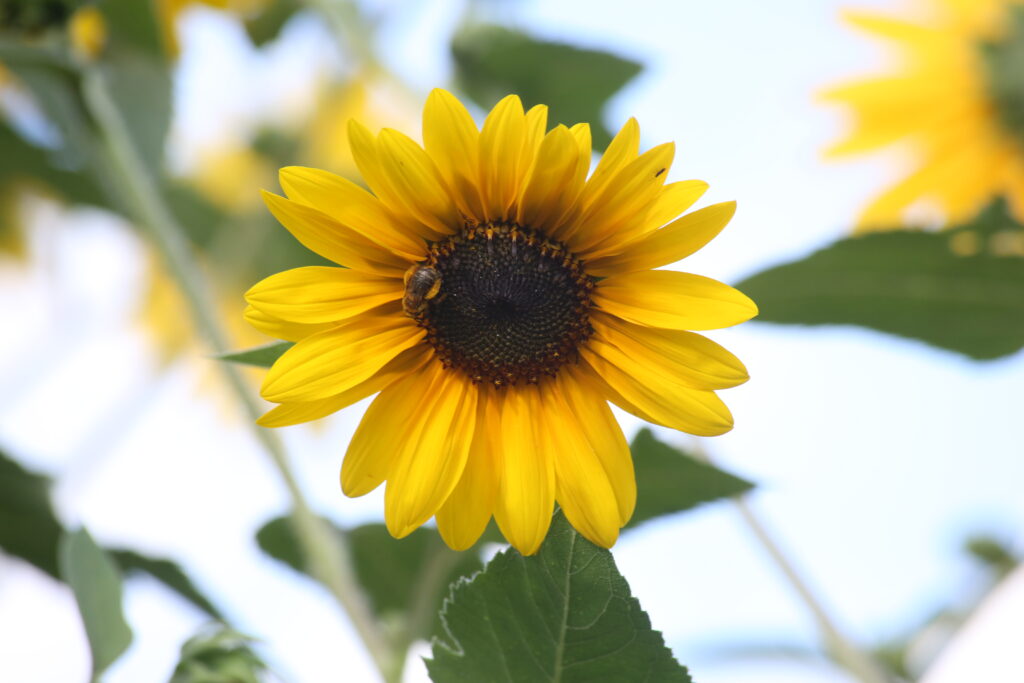
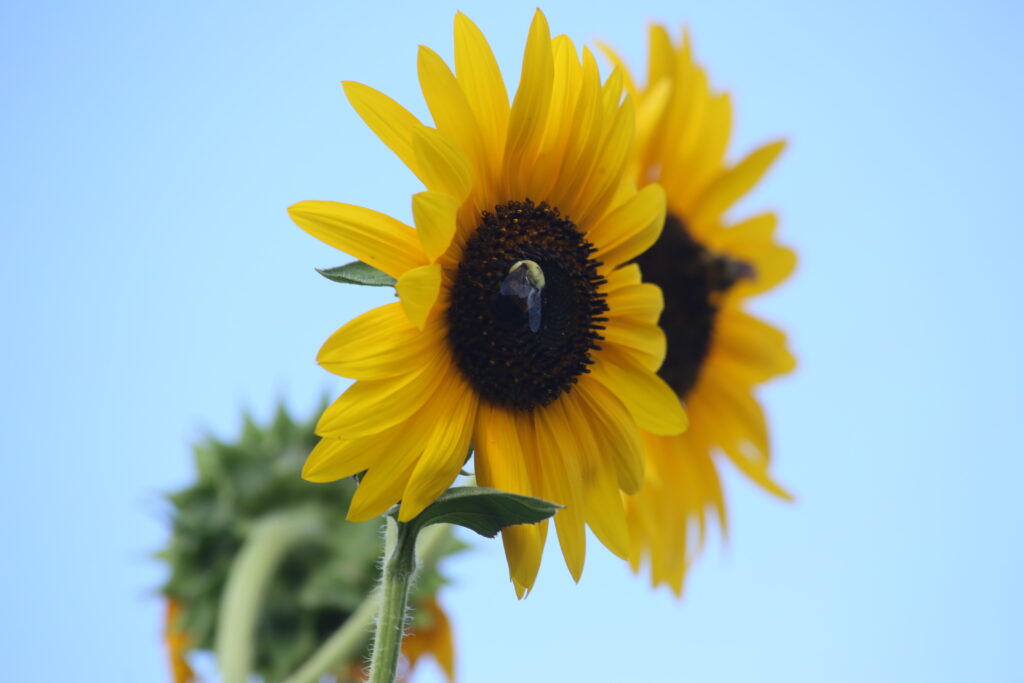
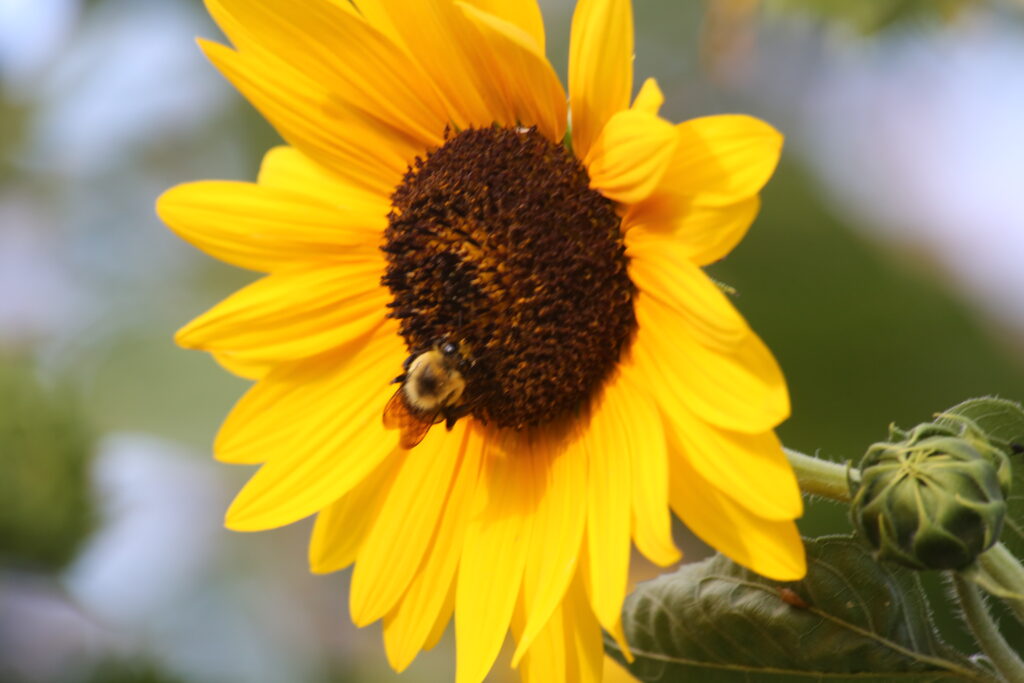
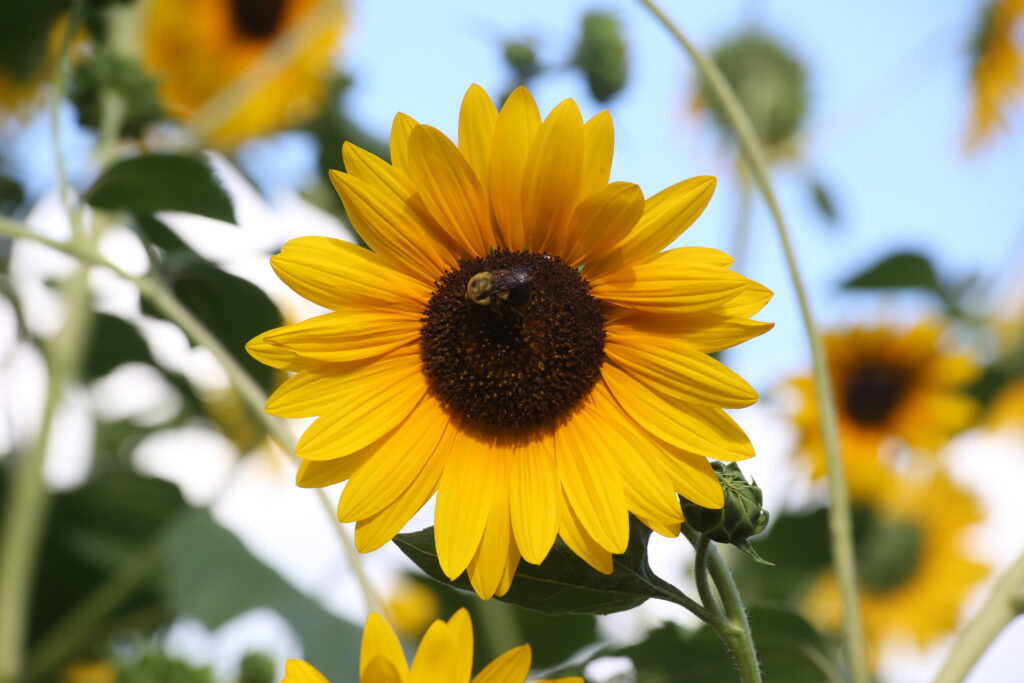
“We’ve got oodles of them this year,” Glenna said. “This year, they started blooming from the top down, which is different. They’re just beautiful. I just love the size and color of them.”
One of the sunflowers fell over, took a curve and started growing upward, looking to be standing.
Homer said that everyone wants to stop and take a picture of them. Many leaves on the stems are “elephant eared,” and are as big as some other plants.
Some of the stems are as thick as mattock handles, Homer said.
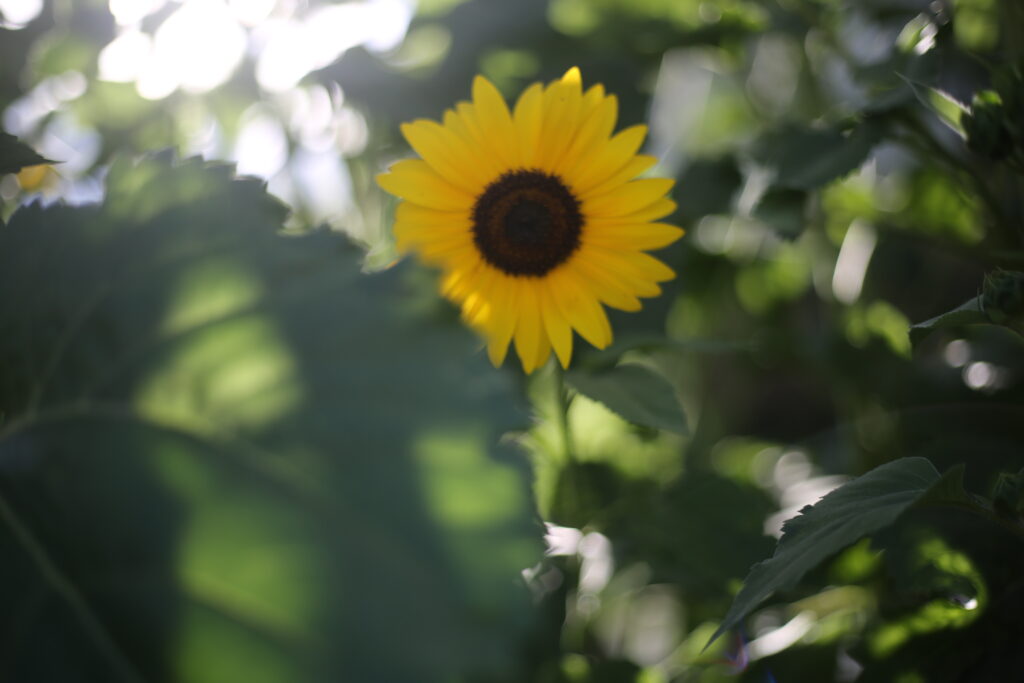
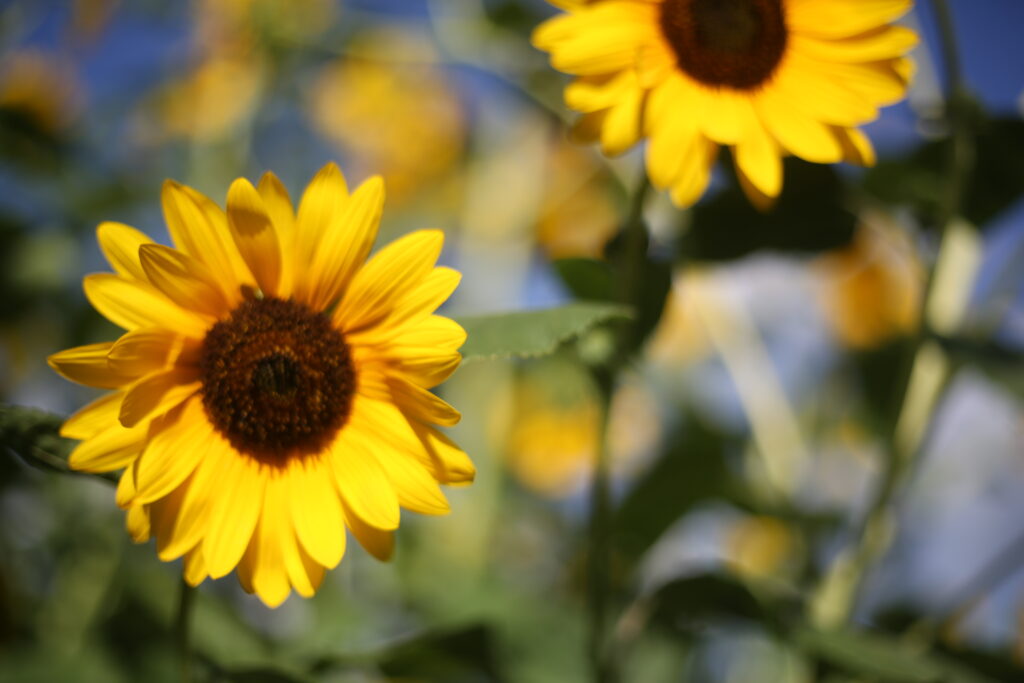
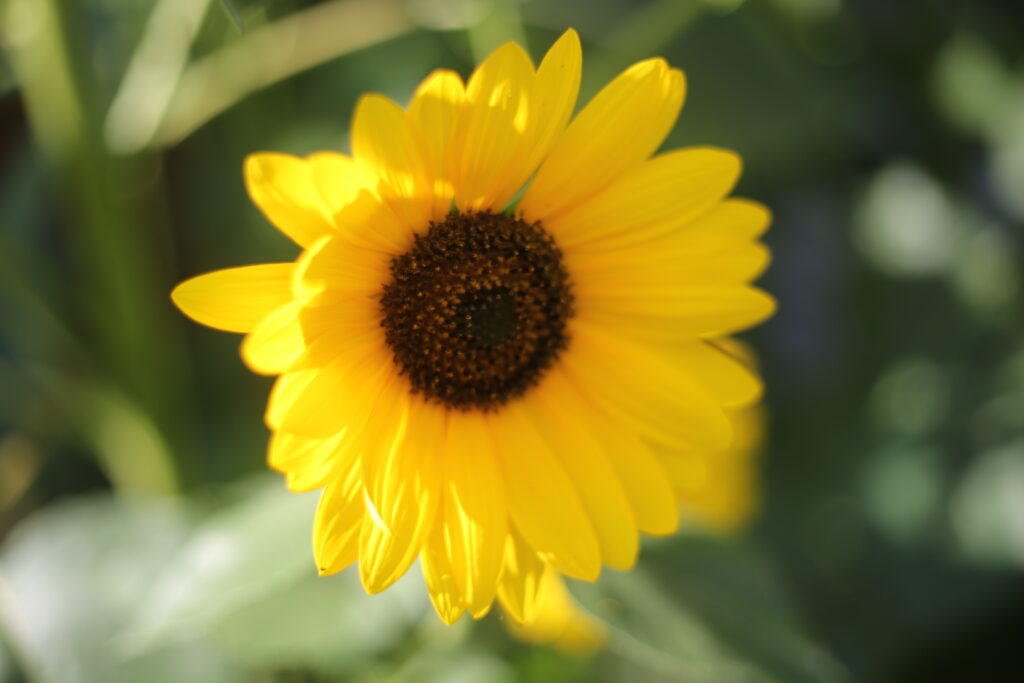
“They’re so unusual,” Glenna said. “Look at those little faces heading toward the sun. They’re gorgeous.”
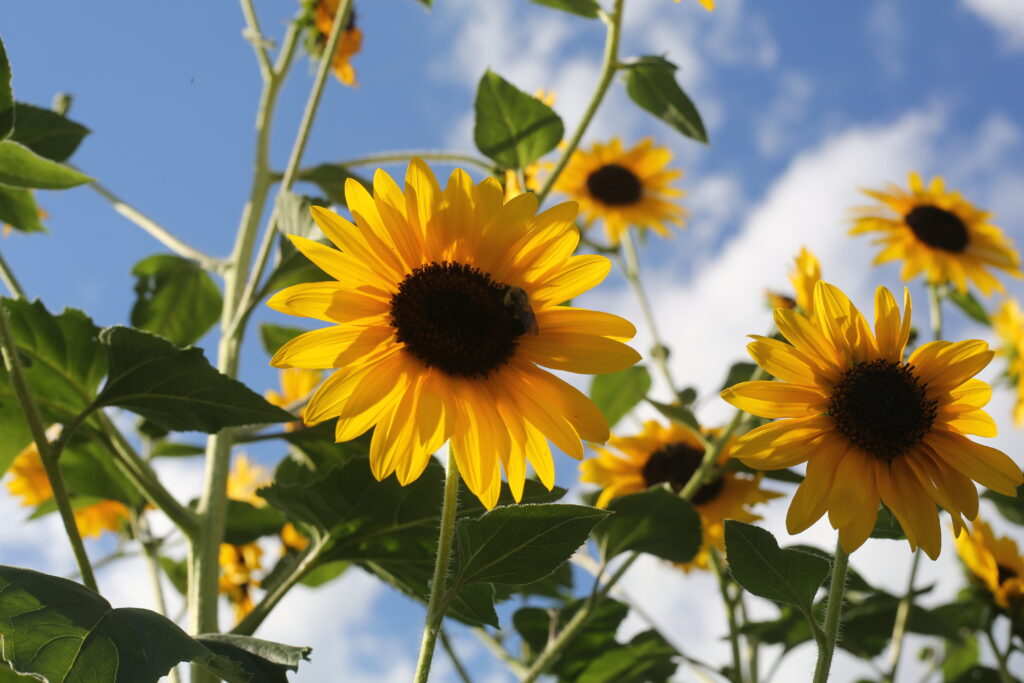
As there are many blooms on these sunflowers, there are at least twice as many blooms yet to bloom.
Another unusual sight is for around seven sunflower plants to be blooming near the Bowlin’s tree in the front yard.
“These will bloom all summer and, in the fall, I save the seeds,” Glenna said. “Everywhere there is a stem or a joint, there is a bud.”
Homer said that he puts “plant pusher” on the sunflowers, like his nearby crop of beans.
“They use that ‘plant pusher’ down in Grainger County on the plants,” Homer said.
Homer gets his green thumb honestly, being raised in the “Snake Hollow” community in Thorn Hill, amongst 13 children, seven girls and six boys. He’s worked in the garden since he was seven years old. He is now 77 and he and Glenna will be celebrating their 60th wedding anniversary soon.
Homer and Glenna bless the community with the fruits of their labor, whether it be tomatoes, beans or more.
“I think these sunflowers are so novel,” Glenna said.
In addition, there are two sunflowers across the street at the Bowlins’ mailbox.
“The birds have sprinkled these flowers,” Glenna said.
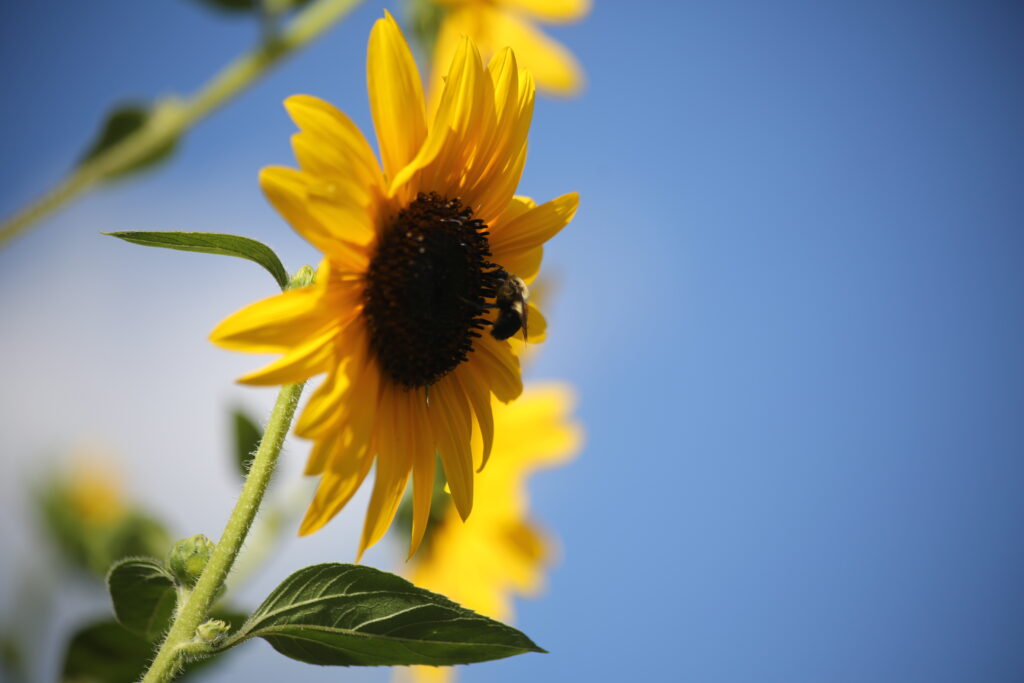
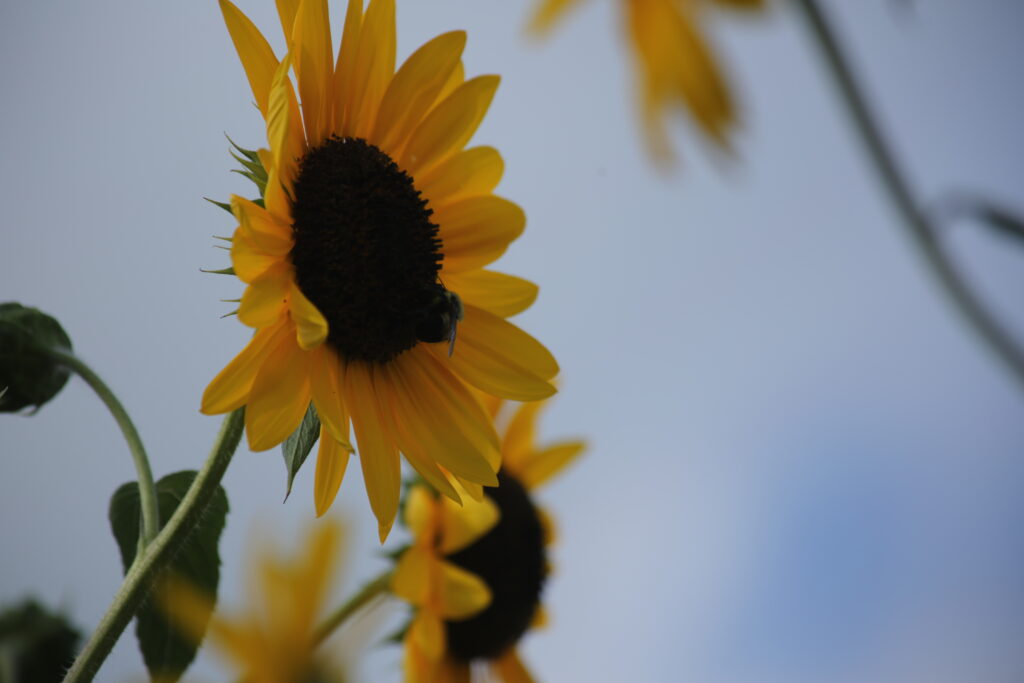
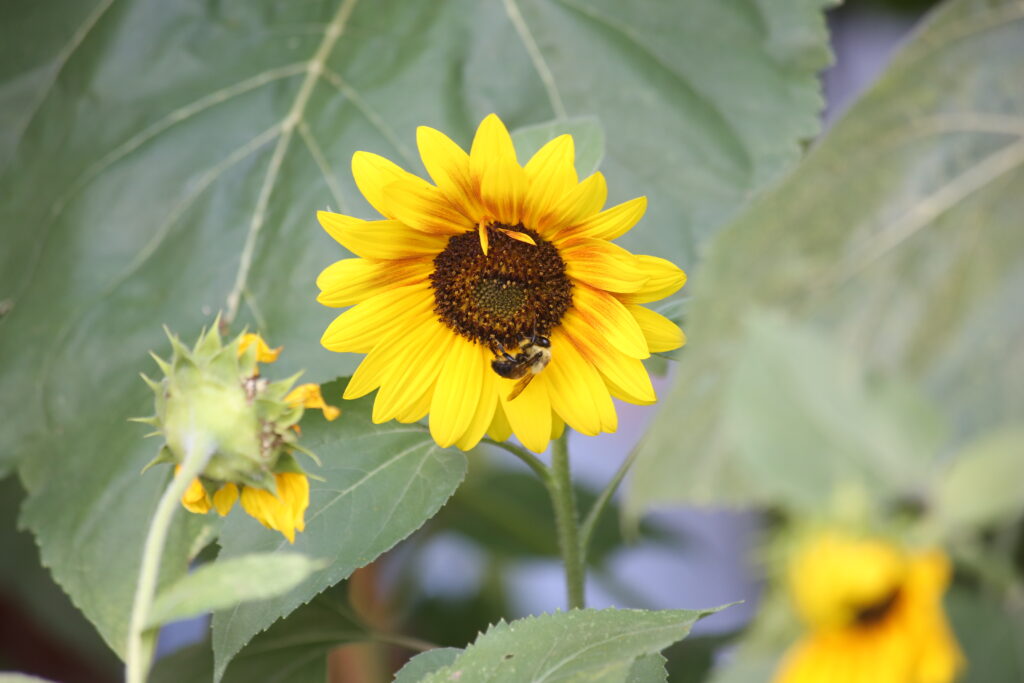
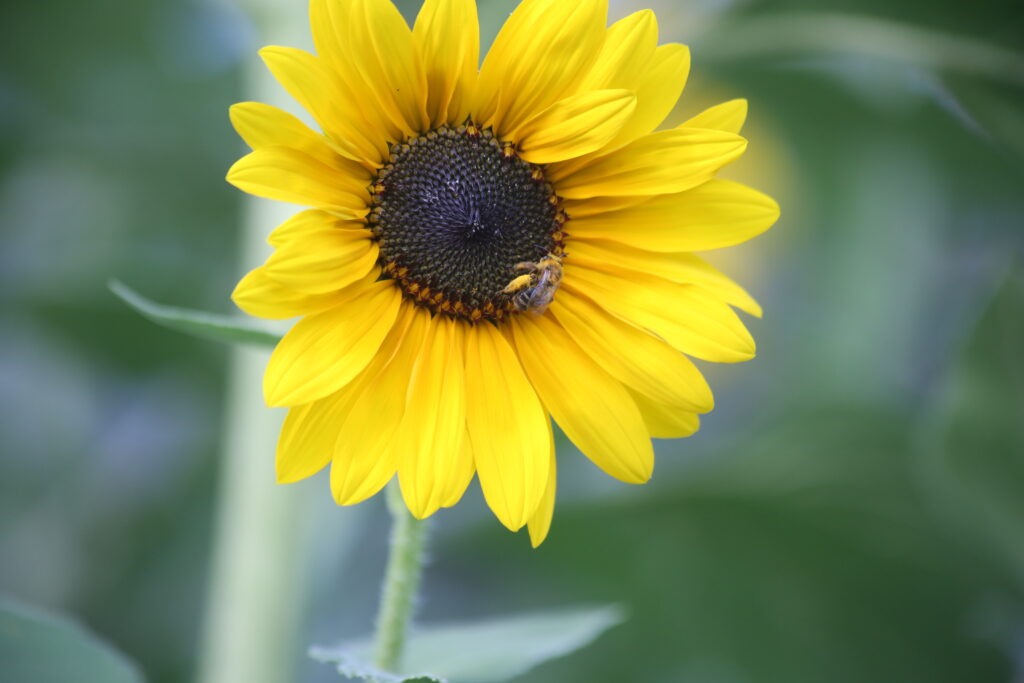
The sunflowers attract bumblebees and honey bees for pollination.
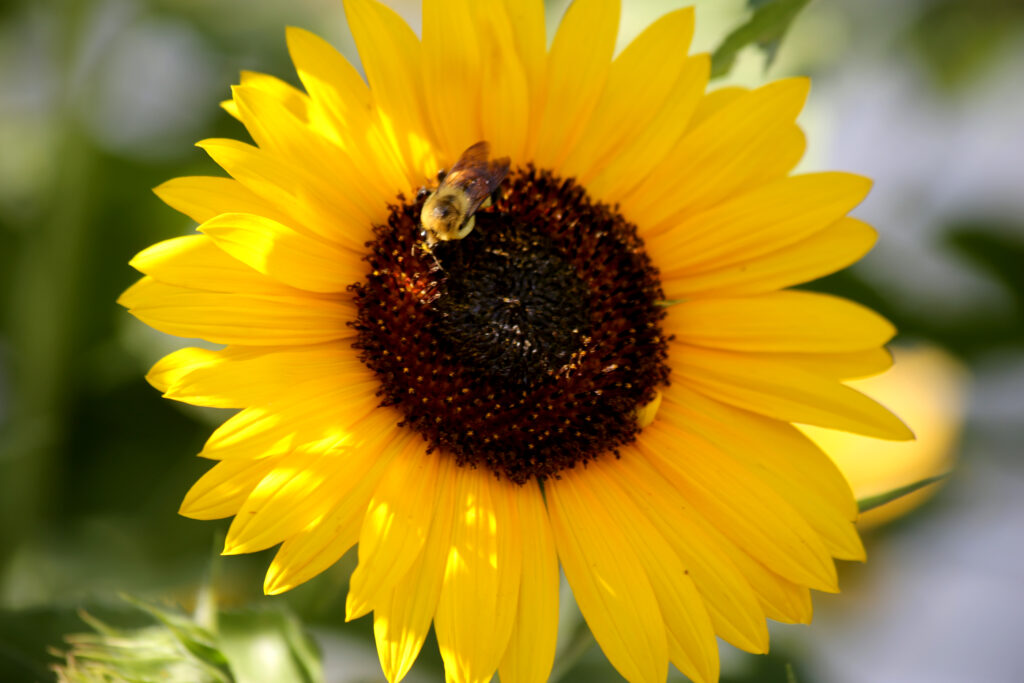
In the fall, blackbirds come to the residence to eat seeds that are left over from summer.
About Sunflowers
According to The Old Farmer’s Almanac, The sunflower (Helianthus annuus) is an annual plant with a sizable daisy-like flower face. The flowers come in many colors (yellow, red, orange, maroon, brown), but they are commonly bright yellow with brown centers that ripen into heavy heads filled with seeds. Sunflowers make excellent cut flowers, and many attract bees, birds, and butterflies.
A reasonably fast-growing flower for its size, most sunflower varieties mature in only 70 to 95 days. The largest sunflower varieties grow to more than 16 feet tall, while smaller varieties have been developed for small spaces and containers and rarely grow larger than a foot tall. The flower heads can reach over 12 inches in diameter within the large-seeded varieties.
The almanac also said that it’s best to sow sunflower seeds directly into the garden (or outdoor containers) after the danger of spring frost has passed, any time after soils have warmed to at least 50°F. In the northern half of the U.S. and in Canada, this will fall between April and mid-June. In the South, this will probably occur in mid-March or early April.
Sunflowers dislike having their roots disturbed, so the almanac recommends direct sowing instead of transplanting. Sunflowers always do best in a sunny spot. Sunflowers grow best in locations with direct sunlight (6 to 8 hours per day); they require long, warm summers to flower well. Shelter from strong winds—for example, along a fence or near a building— helps as they mature. Larger varieties may become top-heavy, and a strong wind can topple them.
Choose a location with well-draining soil. The planting spot shouldn’t pool with water after it rains. Otherwise, sunflowers aren’t too picky about soil, but the soil shouldn’t be too compacted for the best results. They have long taproots that need to stretch out; in preparing a bed, dig down or till 2 feet in depth and about 3 feet across. They’re not too fussy when it comes to soil pH, either. Sunflowers thrive in slightly acidic to somewhat alkaline soil (pH 6.0 to 7.5).