New initiative has Carson-Newman students discovering strengths
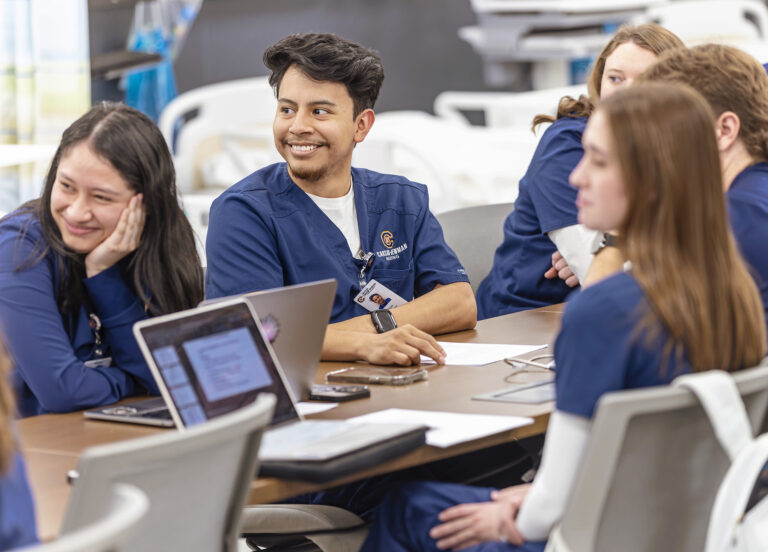
Preparing the next generation of servant-leaders is at the heart of Carson-Newman University. It even says so in its mission statement.
It is that process of “preparing,” from when students arrive on campus to when they graduate, that has become a hallmark of the Carson-Newman experience.
Perhaps, nowhere else on campus is this more evident than the University’s Student Success Center. Students can receive tutoring, job interview training, and a host of other tools of support as they explore God’s calling on their lives and future.
A new initiative by the center starting this fall will place an even greater emphasis of helping students start out on the right foot, preparing them for their college career and beyond.
A two-prong assessment, which the center has already implemented with some student-athletes and academic recovery students, helps students understand themselves and, in return, position themselves to be successful. This fall they are ready to involve incoming freshmen.
“We are really focusing on our first-year program on helping students to discern their calling,” said Dr. Jeana Partin, dean of Student Success. “We have chosen as Carson-Newman specifically to emphasize this idea of character formation related to student success.”
The dual assessments are composed of Clifton-Strengths and Value in Action Character Assessment, or VIA,– both focus on distinctive elements, providing different insight into each student’s character.
Tina Murrow, an academic advisor within C-N’s Student Success Center, explains the difference of the two. “CliftonStrengths are ‘talents in the head,’” explained Murrow, who recently received certification within CliftonStrengths. Those include such themes as: achiever, analytical, consistency, developer, discipline, learner and strategic.
The VIA assessment are talents that come naturally in their heart. These include: creativity, bravery, kindness, leadership, humility, forgiveness and humor. Linking the two assessments give a picture of both “head” and “heart.”
“It’s strength-based coaching,” said Murrow. “It’s a positive psychology concept that you lean into your strengths, which are your natural talents. It’s helping them take those talents and flourish.”
The University is not the first or only school that implements such a strategy in preparing students, but with Carson-Newman’s Christcentered approach to education, there may not be a better example of how the model dovetails with a university’s mission.
“This is something that is happening in many universities now, where they are focusing on Clifton-Strengths and VIA,” said Partin. “But we’re looking at it through the lens of our Christian identity – being created in the image of God.”
After students take the assessments, a clearer picture comes into focus. Student Success then knows a student’s strengths, and they’re able to offer even more personalized guidance – specifically tailored to the individual and their natural abilities.
“When they come to see us, we’re not starting from a blank slate,” noted Partin. “We can see something that’s personal and individualized of how God created them.”
But even as the Student Success staff prepare to welcome new students in the fall, big picture planning continues. There’s a broader vision of incrementally expanding the model to faculty advisors.
“Student Success is creating a framework that can be taken out across the University for faculty to be able to use it when they’re coaching students,” said Partin. “That’s the goal.”
It all boils down to a more proactive approach in helping each student on their life journey.
“The ultimate goal is for students to flourish,” said Murrow, “to walk away knowing what their strengths are and leaning into those in all aspects.”
Partin agrees. “We want to help students achieve their full potential through their discovery of their God-given identity, mastery of their gifts, and fulfillment of their vocation. We’re helping them discover those God-given gifts.”


