October 24, 2026
We All Have a Dolly Story
By Lane Moore
My little girl never met Dolly Parton. Still, when the news came that Dolly had died, she looked at me and said something that seemed to capture what so many people across East Tennessee were feeling.
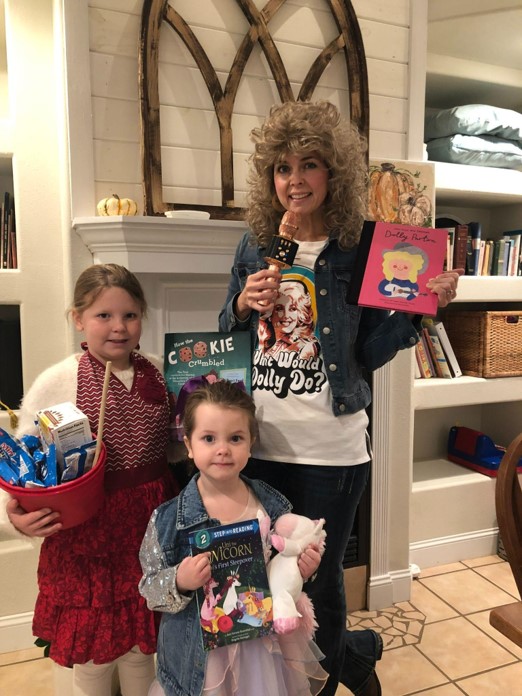
“I just miss her, Mom.” There is something strange about missing someone you never really knew. But then again, around here, maybe we did know Dolly at least in all the ways that matter. My daughter had walked through her chapel, eaten her cinnamon bread, ridden the Dollywood Express through the foothills of the Smokies and looked out at the replica of the little mountain home where Dolly’s story began. She had grown up hearing Dolly’s songs. She had watched her mother put on a big blonde wig and a whole lot of confidence to dress like Dolly for book character day at school. So when my daughter said she missed her, I understood.
I miss her, too. We all do.
Across Morristown and the Lakeway Area and all of East Tennessee, there is a sense this week that something is missing from these mountains. Dolly Parton died Aug. 25 at age 80 after a brief battle with cancer, ending a life that carried a girl from the mountains of Sevier County to stages around the world. But here, her story was never simply the story of a famous country singer who happened to come from East Tennessee. She belonged to this place. And this place belonged to her. There may not be an inch of East Tennessee that has not, in some way, been marked by Dolly Parton. Some people met her. Some performed in one of her shows. Some worked for one of her businesses. Some put food on their tables because of the tourism and jobs her vision brought to the Smoky Mountains. Some children opened their mailboxes month after month to find a new book with Dolly Parton’s name attached to it through her Imagination Library, a program that began in her home county and eventually placed hundreds of millions of books into the hands of children around the world. And almost all of us know somebody with a Dolly story.
Local resident Parker Ashford’s connection to Dolly reaches back to the early days of her career. His grandfather, Howell Ashford, who founded WCRK in Morristown in the late 1940s, reportedly met a young Dolly Parton when she stopped by the station in the 1960s hoping to get one of her records played. Howell invited her to lunch, where the two talked business over a meal. Long before the world knew her name, Dolly was a young East Tennessee singer carrying a record and a dream. Today, a WCRK plaque inside Dollywood’s Jukebox Junction serves as a reminder of that early connection.
That is how Dolly stories work around here. They connect generations. For local resident and teacher Faith Bible, that connection came through a college job at Dollywood.
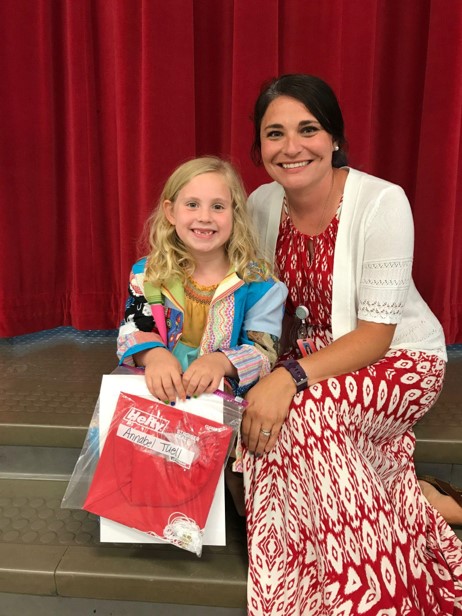
“Dolly was the best boss I never got to meet,” Bible said. “Working at Dollywood created some of the sweetest memories for me in college. Her care and thoughtfulness translated to even just her summertime employees like me. She created a space that was filled with so much joy and genuineness.” Bible said Dollywood prides itself on the phrase “Make Memories Worth Repeating.”
And for generations of East Tennessee families, that is exactly what Dollywood has become, a place where memories are made, revisited and passed down. Dollywood and its related businesses became far more than tourist attractions. They became part of the economy of an entire region, employing generations of East Tennesseans.
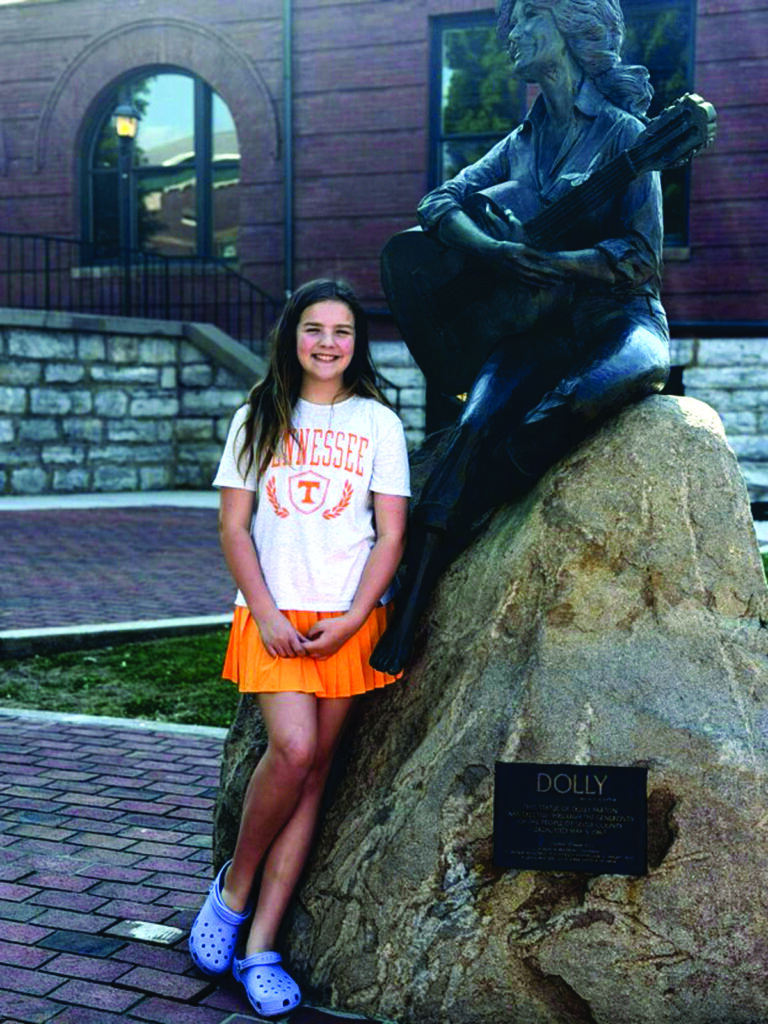
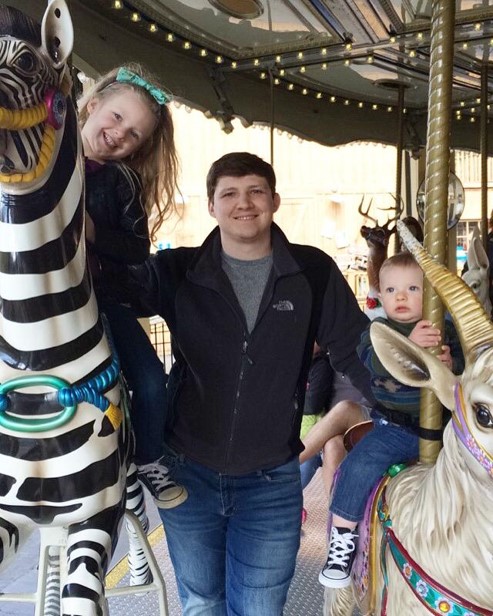
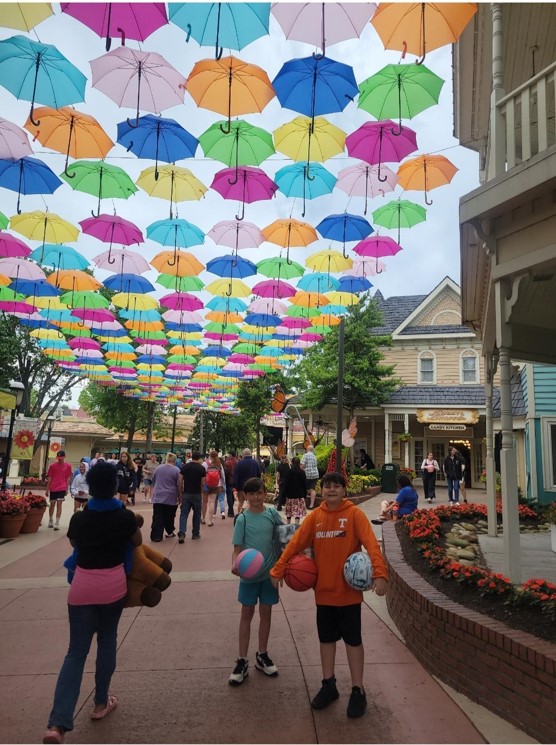
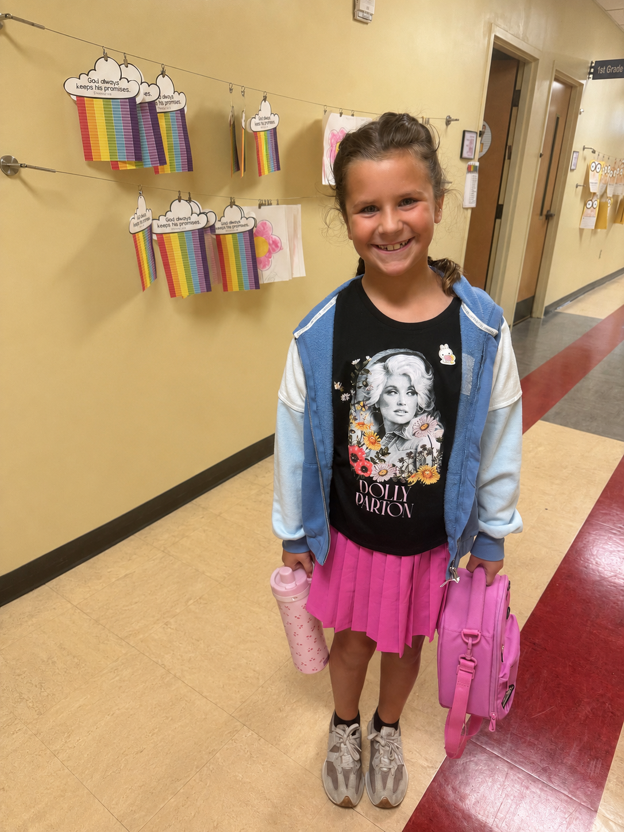
Her connection to education reached close to the Lakeway Area, too. In 1990, Dolly came to Carson-Newman in Jefferson City, where she received an honorary Doctor of Letters degree and spoke to a stadium filled with East Tennesseans. More than three decades later, the university still remembers the day the girl from the Smokies came to Mossy Creek as “Dr. Dolly Parton.” (Carson-Newman University) Education mattered deeply to her. So did children. That may be why so many East Tennessee parents feel her loss in an unexpectedly personal way.
Dolly helped us raise our kids. Her Imagination Library books sat in baskets beside our rocking chairs and accumulated on bedroom shelves. Parents read them at bedtime. Toddlers carried them through the house. Preschoolers learned that opening the mailbox might mean finding something addressed just to them. And long before children understand Grammys, record sales or the significance of the Country Music Hall of Fame, they understand Dolly.
They know the blonde hair. They know “Jolene.” They know “9 to 5.” In East Tennessee, growing up with Dolly Parton is almost a rite of passage. Children in other parts of the country may not grow up singing “Jolene” or “Islands in the Stream,” but here, those songs are part of the soundtrack of childhood, passed down from parents and grandparents until Dolly feels less like a celebrity and more like a familiar part of home.
That is part of what makes this loss feel different here. The world knew a superstar. We knew the woman whose picture hung on the wall at Dollywood. The woman whose voice played on drives through East Tennessee. The woman whose books arrived in our babies’ mailboxes. She called East Tennesseans “my people,” and she repeatedly backed those words with action, from scholarships and literacy programs to disaster relief and investments in the region that raised her. Perhaps that is the piece of her legacy that matters most. Dolly showed what it looks like to leave home without abandoning it. She went everywhere, but she kept coming back. She gave millions of people permission to believe that where they came from was not something they had to overcome. It could be the very thing that made them extraordinary.
Maybe that is why Dollywood has always felt like more than roller coasters, kettle corn and cinnamon bread. Maybe we returned again and again because something there felt familiar. The music. The church pews. The front porches. The ridgelines rising behind it all. It reminds us of home. It reminds us of our parents and grandparents. It reminds us of childhood. Sometimes, perhaps, it reminds us of the family we wished we had. And sometimes it reminds us of people who are no longer here to make the trip with us.
Now Dolly is part of that remembering, too.
There is a hole in East Tennessee this week. We feel it in Morristown. We feel it in Jefferson City. But East Tennessee will keep doing what it has always done. We will take our children to Dollywood. We will ride the train. We will walk through the chapel. We will eat the cinnamon bread. We will open Dolly books with our grandchildren. Somebody will put on a blonde wig for a school project. A little girl will belt out “Jolene” from the back seat without having any idea how she knows every word. And parents will tell their children the Dolly stories that were told to them: about the time somebody met her, worked for her, sang with her, played her record or simply grew up in the same corner of Tennessee she loved.
Because around here, Dolly Parton was never simply someone famous who came from East Tennessee. She was threaded through the story of the place itself. And though these mountains feel a little emptier without her, every book, every song, every job, every memory and every story she left behind means East Tennessee will never really be without Dolly.
After all, we all have a Dolly story.