From Blossom to Bottle

Gene Lynch and the Sweet Story of Holston Valley Honey Company

By Lane Moore

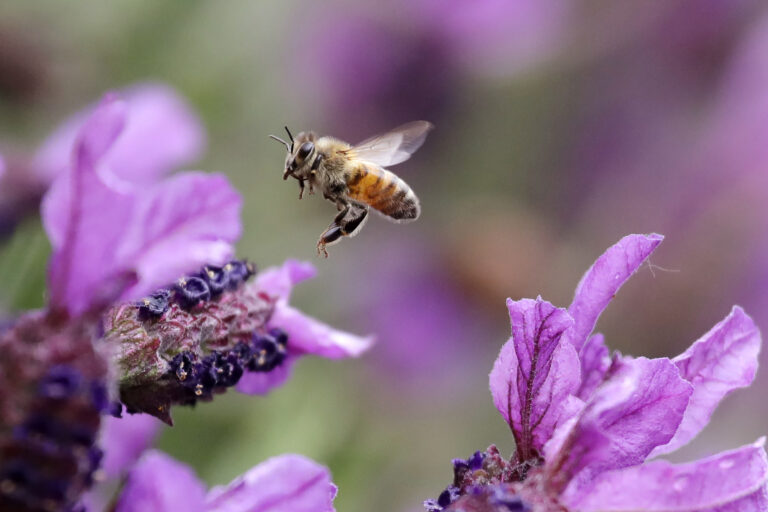
On warm spring mornings in East Tennessee, the air hums with quiet purpose. Bees move steadily from blossom to blossom, gathering nectar from towering tulip poplars, sturdy maples, and the fragrant sourwood trees that define the Southern Appalachian landscape.
For Gene Lynch, this familiar hum is more than background noise—it is the sound of tradition, family, and a lifelong commitment to the land.
As the owner of Holston Valley Honey Company, Lynch has combined his agricultural roots with education and entrepreneurship, creating a business that honors both heritage and innovation.
Raised in a family of farmers and a 1997 graduate of Morristown West High School, Gene’s story is one of returning to what matters most. Farming has always been part of his identity, shaping both his work ethic and his appreciation for the natural world.


Though life took him into the classroom as a graduate of East Tennessee State University with a teaching degree, Gene never lost sight of the values instilled through generations of farming.
Today, he is both educator and beekeeper—teaching not only students but also communities about the importance of bees, pollination, and local agriculture. Holston Valley Honey Company reflects Gene’s belief that meaningful work often grows from the places where passion and purpose meet.

Keeping the Farming Tradition Alive
Growing up in a farming family gave Gene an early understanding of the rhythms of nature.
Farming teaches patience and persistence. Crops do not grow overnight, and success often depends on consistent care and respect for the land. While many careers pull individuals away from agricultural life, Gene felt a strong desire to keep farming alive in his own family.

What began as a small venture quickly grew into something much more significant. Holston Valley Honey Company was started, as Gene describes, “on a whim,” but behind that humble description was a deeper motivation—the desire to hold onto the lifestyle and values that shaped him.
“I love doing this,” Gene explains. “It is about holding onto what I am grounded in—what I love.”

Today, Gene manages approximately 100 hives on his farms in Mill Springs and Talbott. Each hive represents not only an investment of time and effort but also a commitment to environmental stewardship. Bees are essential pollinators, supporting plant life, crops, and ecosystems that sustain communities. Through Holston Valley Honey Company, Gene has found a way to continue the farming tradition while contributing to the health of East Tennessee’s natural landscape.

The Teacher and the Beekeeper
Gene’s background in education influences the way he approaches beekeeping. Just as teaching requires patience, observation, and adaptability, caring for bees demands attentiveness and respect for natural processes.
Over the years, Gene has shared his knowledge with a variety of organizations and audiences. His passion for agriculture and pollinators has led him to speak for the Natural Resources Conservation Service (NRCS), the Hamblen County Library, local Hamblen County schools, the Morristown Women’s Club, and the University of Tennessee Knoxville Extension.
He is also scheduled to speak to the Dandridge Garden Club. These speaking engagements allow Gene to connect with community members who are curious about bees, sustainability, and the importance of supporting local agriculture.
Many people are surprised to learn how essential pollinators are to everyday life. Bees contribute to the production of many fruits, vegetables, and plants that humans rely on for food and environmental health.
Without pollinators, ecosystems would struggle to thrive. Gene enjoys helping others understand that beekeeping is both science and stewardship.
By sharing practical knowledge and encouraging appreciation for pollinators, he continues his role as an educator outside the traditional classroom.

East Tennessee: A Honey Haven
According to Gene, East Tennessee offers some of the best conditions in the world for producing high-quality honey.
The region’s diverse tree population provides abundant nectar sources, contributing to unique flavor profiles prized by honey enthusiasts.
Large, mature trees such as maple and tulip poplar produce excellent nectar flows. These trees, common throughout the region, create ideal conditions for strong colonies and rich honey harvests.
“East Tennessee has some of the best trees in the world for making honey,” Gene explains. “Those large mature trees produce some of the best nectar sources available.”


Each region produces distinct honey varieties depending on local plant life. Southern Appalachia, in particular, is well known among honey connoisseurs for sourwood honey. Sourwood trees produce a light, aromatic honey often considered among the finest in the world.
The tulip poplar, another regional favorite, contributes to darker honey with complex flavor notes.
Together, these nectar sources create honey varieties that reflect the richness of the Appalachian landscape. Just as soil influences crops, local plant life shapes the taste of honey.
Each jar produced by Holston Valley Honey Company captures a small piece of East Tennessee’s natural beauty.
The Rhythm of the Honey Season
Beekeeping follows the seasonal rhythms of nature. April and May mark the honey flow season, when bees actively collect nectar from blooming trees and flowers.
During this critical period, the beekeeper must ensure that colonies have enough space to store nectar as it is transformed into honey.
Providing adequate room for the bees allows colonies to thrive and maximize production. Careful monitoring during this time helps maintain hive health and productivity.
Harvest season typically arrives in July, when honey is collected and prepared for bottling. Each harvest represents months of careful attention and observation.
Beekeeping requires balancing intervention with trust in natural processes. Bees operate according to instinct, working cooperatively to sustain the colony. The beekeeper’s role is to support that process while protecting hive health.
This partnership between beekeeper and bee highlights the interconnectedness of agriculture and nature.

A Family Effort
Behind every small business is a network of support, and Holston Valley Honey Company is no exception. Gene’s wife, Rachel, and daughter, Jill Lynch, play important roles in the bottling process and overall operation.
“My daughter is all girl,” Gene shares with a smile, “but she and my wife both help me bottle and the clerical side of beekeeping.”
Family involvement adds another layer of meaning to the work.
The business not only preserves Gene’s farming heritage but also creates opportunities for the next generation to remain connected to agriculture.
Working together strengthens family bonds while reinforcing the values of responsibility and cooperation that farming teaches so well. Holston Valley Honey Company reflects the idea that agriculture is often more than a profession—it is a shared way of life.
More Than Honey
While honey is the heart of the business, Holston Valley Honey Company offers a variety of products derived from the hive. Beeswax is used to create lotions and other natural products that appeal to customers seeking locally made alternatives.
Additionally, Gene sells bee colonies to individuals interested in beginning their own beekeeping journey. Supporting new beekeepers helps expand pollinator populations and encourages sustainable agricultural practices throughout the region. Gene enjoys sharing his passion for farming and helping others develop appreciation for the role bees play in environmental health. Local agriculture depends on individuals willing to invest time and effort into maintaining strong pollinator populations. By providing both products and education, Holston Valley Honey Company contributes to a broader culture of sustainability.

Supporting Local Agriculture
Customers can find Holston Valley Honey Company products at several locations, including the Morristown Farmers Market, Central Market in Morristown, Mind and Body Co-op, Mossback Distillery, and AgCentral Co-op in Dandridge. These partnerships allow customers to support local agriculture while enjoying high-quality, locally produced goods. Buying local honey provides benefits beyond flavor. Many people appreciate knowing where their food originates and supporting businesses that contribute to the local economy. Holston Valley Honey Company represents the continued vitality of agriculture in the Lakeway region.
The Sweet Reward of Meaningful Work
In many ways, Gene Lynch’s story mirrors the quiet persistence of the bees he cares for. Both require patience, consistency, and dedication. Beekeeping is not glamorous work.
It requires early mornings, careful observation, and respect for nature’s timing. Yet the rewards are significant. Each jar of honey represents thousands of bees working together, supported by a beekeeper committed to their care. For Gene, the work is about more than producing honey. It is about preserving a connection to the land and ensuring that farming traditions continue for future generations.
“I love doing this,” Gene says. “It is about holding onto what I am grounded in.”
As bees move steadily among the blossoms of East Tennessee’s trees, they carry with them the story of a region rich in natural beauty and agricultural heritage.
Through Holston Valley Honey Company, Gene Lynch ensures that the hum of that tradition continues—rooted in the past, alive in the present, and carried forward on the wings of bees.

John Gullion
John Gullion
Articles: 67